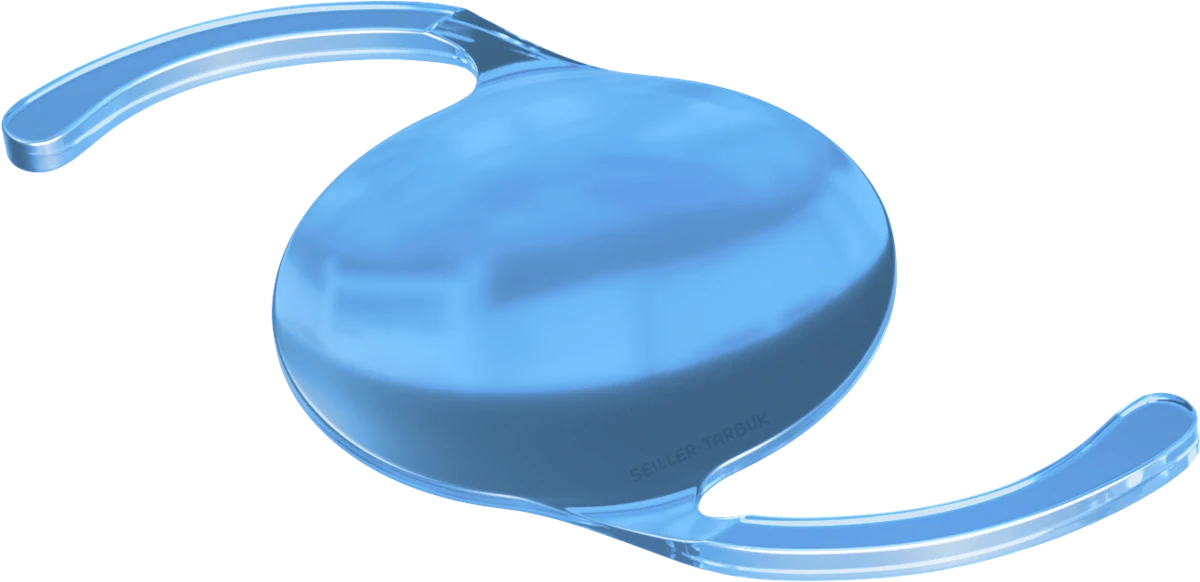
Trifocal, EDOF and monofocal lenses compared
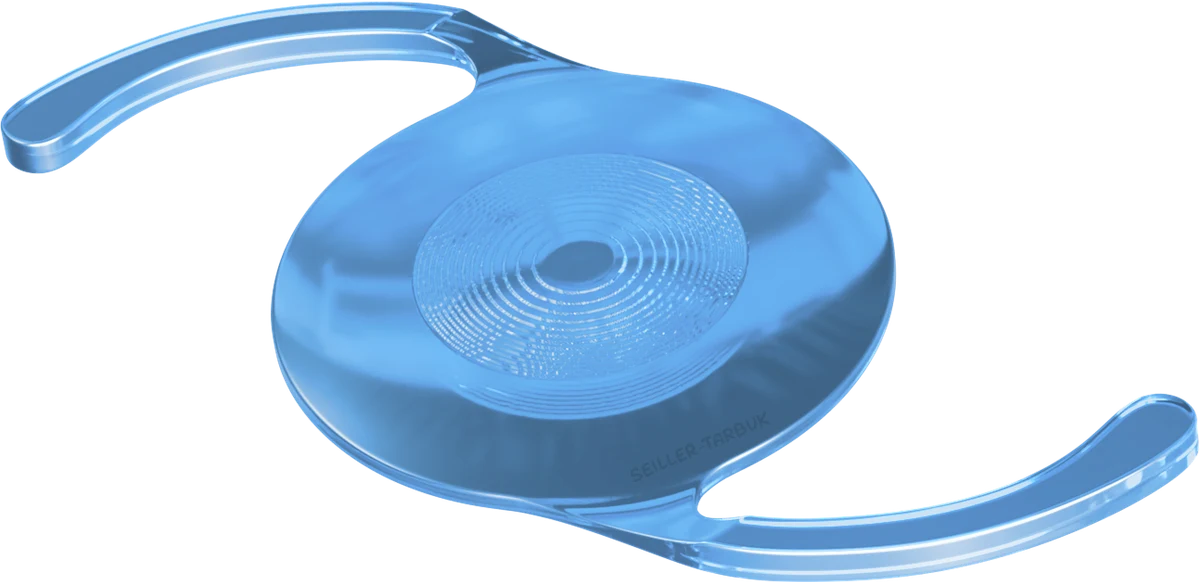
Trifocal artificial lenses focus incoming light at three distances at once: far, intermediate and near. Many people achieve largely glasses-free vision in everyday life as a result. The trade-off is possible light phenomena such as halos, which usually subside within a few months.
Whether a trifocal, a monofocal or an EDOF lens suits you better depends strongly on your daily life. This comparison shows the differences between the three lens types and prepares you for the consultation.
How do the lens types differ in principle?
A monofocal lens focuses light at exactly one distance, usually far away. It offers the best contrast there. For reading and screen work, glasses remain necessary.
Multifocal lenses, by contrast, split the incoming light between several focal points. Bifocal models offer two focuses, far and near. The intermediate range, for computer work for instance, often stays blurred. Trifocal lenses add a third focus for the intermediate distance. They therefore cover distance, screen and reading in a single lens.
Alongside these are EDOF lenses (extended depth of focus). Instead of several separate focal points, they create one continuously extended zone of sharpness. Distance and intermediate range work very well with them. Many people can only read small print with light reading glasses, however.
How does light splitting work in trifocal lenses?
The surface of a trifocal lens carries fine, concentric ring structures. These rings direct the incoming light into three focal points. The brain then learns to pick the right image automatically from the overlapping ones.
This learning process is called neuroadaptation. For most people it takes about three to six months. You can think of it like getting used to glasses with several prescriptions in one lens: at first the image feels unfamiliar, and over time the brain filters out the less relevant parts of the picture by itself.
This adjustment period plays a big part in satisfaction with a trifocal lens. Anyone who still notices rings of light in the first weeks need not be alarmed. The visual system is still working on adopting the new way of processing images during this phase.
The three lens types in direct comparison
The following table sums up the most important differences:
| Monofocal lens | EDOF lens | Trifocal lens | |
|---|---|---|---|
| Focal points | one, usually distance | continuous zone of sharpness | three: far, intermediate, near |
| Screen distance | only with glasses | well covered | well covered |
| Reading | reading glasses needed | light reading glasses often needed | usually possible without glasses |
| Contrast | best | good | somewhat lower |
| Halos and glare | rare | less common than with trifocal lenses | possible at first, usually subsiding |
| Typical candidates | night driving, professional drivers | screen work, minimal glare desired | active everyday life, wish for glasses-free vision |
An example to illustrate: a person who works long hours at a computer and often drives in the evening frequently benefits from an EDOF lens with reduced glare. Someone who above all wants to read without glasses more often chooses the trifocal option.
For astigmatism, trifocal lenses are also available with an additional toric correction. Both vision problems can then be corrected in a single procedure.
What compromises do you accept with a trifocal lens?
Trifocal lenses bring compromises alongside their strengths. Some patients notice halos or rings of light at night in the beginning. Contrast is somewhat lower overall than with monofocal lenses. Most of the initial light phenomena, however, subside within a few months through neuroadaptation.
The evaluation of many studies by the Cochrane Collaboration confirms this picture: multifocal lenses more often make people independent of glasses, but they come with light phenomena more frequently than monofocal lenses. This is exactly the trade-off best discussed openly in the consultation.
Not every pre-existing condition is suited to this lens type either. With existing macular degeneration, glaucoma or irregularities of the cornea, the multiple focal points would further worsen the already reduced image quality.
Which type suits whom?
A monofocal lens fits if contrast is your priority. Professional drivers and people who are out a lot at night often benefit more from this option than from a multifocal lens.
An EDOF lens suits people who work long hours at a screen or often drive at dusk and want as little glare as possible. Light reading glasses for small print rarely bother this group.
A trifocal lens is an option if your daily life plays out at several distances and you want to live as free of glasses as possible. The prerequisites are a healthy retina and a cornea without relevant pre-existing conditions.
The final decision is made at the preliminary examination. There your eye doctor checks whether your eyes are suited to the desired lens type. Your personal viewing habits also feed into the recommendation.
Frequently asked questions
Do the halos disappear completely after surgery?
In most patients they subside considerably within three to six months. A small group still perceives them slightly afterwards, usually without troublesome impairment.
Will I really not need glasses at all with a trifocal lens?
Most people achieve largely glasses-free everyday vision. For very fine close-up work, some occasionally still reach for light reading glasses.
Can I try out in advance what vision with a trifocal lens feels like?
A lens simulator gives an impression of how different lens types feel in everyday life. The final visual result, however, cannot be predicted exactly in advance.
Next steps
An overview of all lens types is on our page about intraocular lenses. How the right lens for your daily life is chosen is clarified at the preliminary examination.