Cataract guide
Clear articles about cataracts: recognising symptoms, managing everyday life, understanding the surgery. All articles are medically reviewed.

Biometry before cataract surgery: why the measurement matters
Biometry calculates the power of your artificial lens before cataract surgery. How the measurement works and why it helps decide your visual result.

Cataract: why colours look faded
Cataract often makes colours look yellowish or pale. Why this happens and why many patients perceive colours more vividly after surgery.

Cataract in professional drivers: what matters now
Professional drivers depend on especially reliable vision. Why cataract deserves early attention here and what counts when choosing the lens.

The day of surgery: from arrival to discharge
What actually happens on the day of cataract surgery: from check-in through the procedure to being discharged home. An overview in chronological order.

Glare sensitivity at night: an early warning sign of cataract?
Headlights dazzle more, rings appear around lights, road signs blur: why glare sensitivity is often the first sign of cataract.

How to support a relative before cataract surgery
How family members can support someone before cataract surgery, practically and emotionally, from preparation through to the day of surgery.

UV protection for the eyes: how sunlight influences cataract
UV radiation is one of the modifiable risk factors for cataract. How to protect your eyes effectively from sunlight in everyday life.

Myth: cataracts only affect older people
Cataract is seen as a disease of old age, yet younger people and even babies can be affected. A look at the actual causes behind the clouded lens.
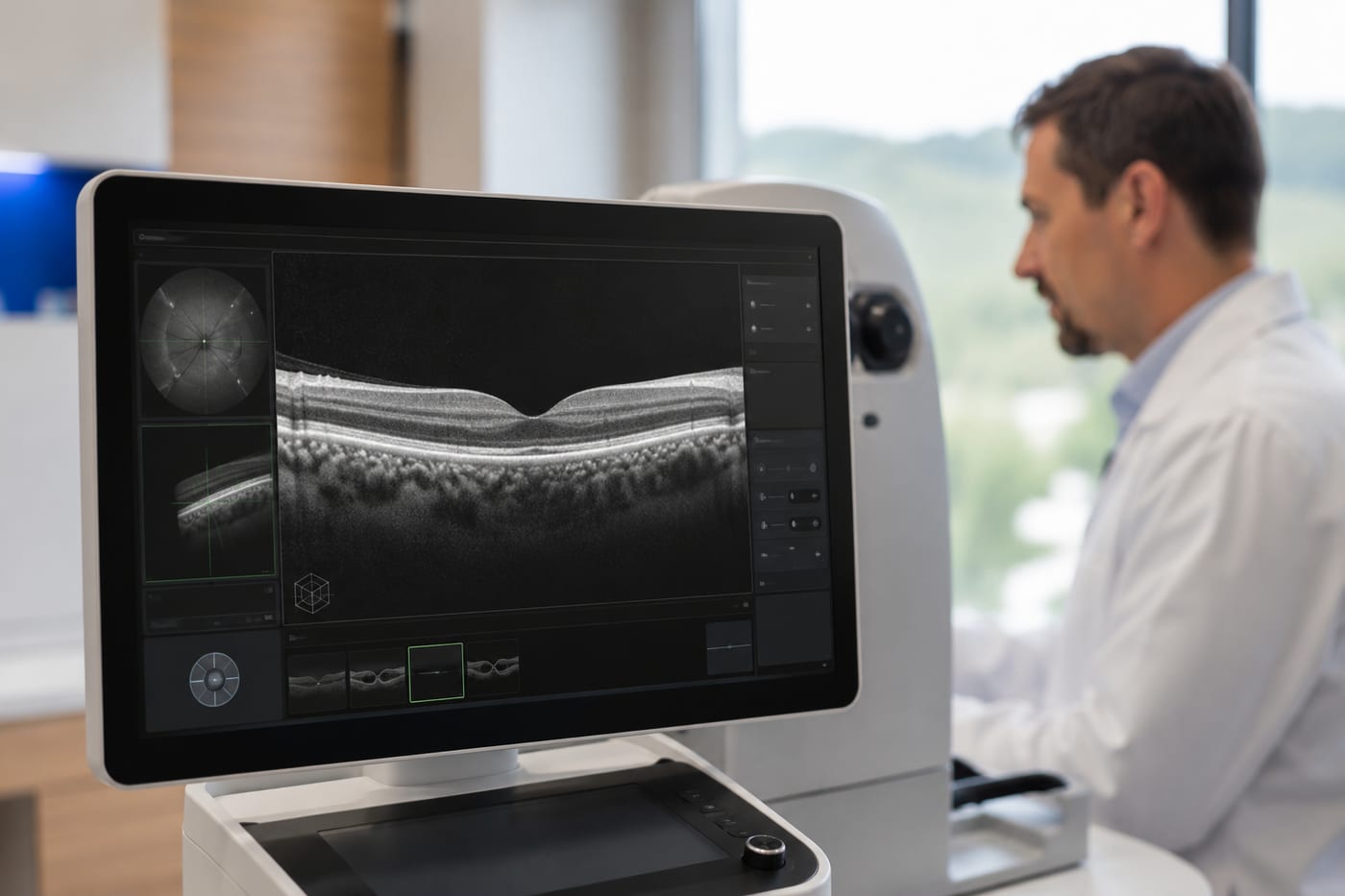
Cataract and diabetes: what diabetics should know before surgery
Diabetes raises the risk of cataract and shapes the preparation for surgery. What people with diabetes should know before a cataract operation.

Dry eye after cataract surgery: cause and relief
A dry, irritated feeling after cataract surgery is common and usually temporary. Why it develops and which measures genuinely bring relief.

Day 1 after cataract surgery: what is normal and what is not
Blurred vision, mild irritation and watering eyes are normal on the first day after cataract surgery. Which signs should be checked straight away.
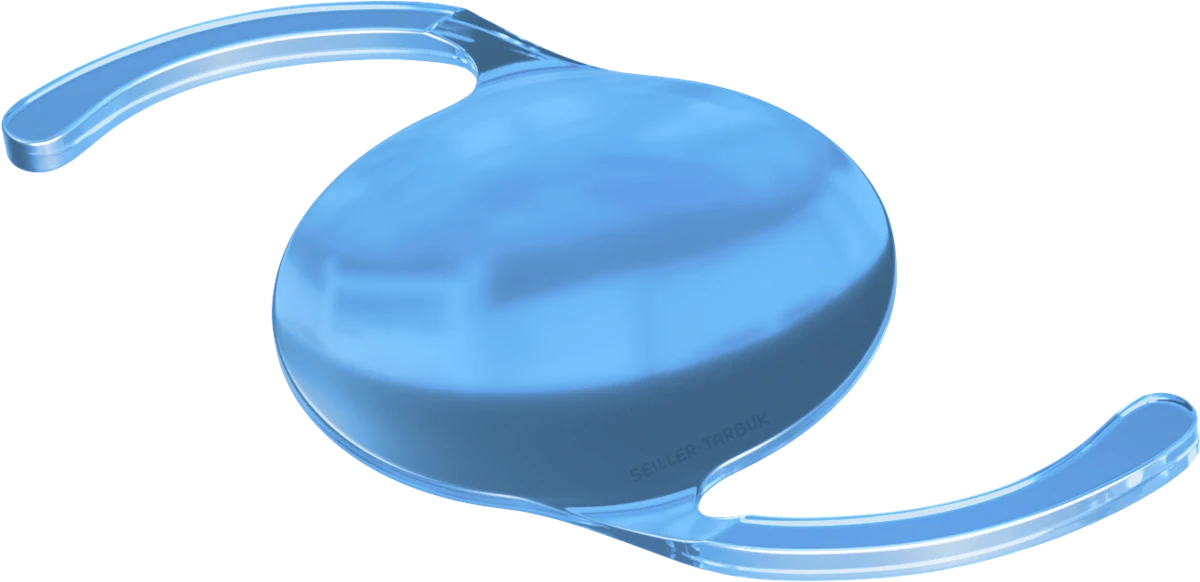
Monofocal lenses in detail: who they are the right choice for
Monofocal artificial lenses are the standard option in cataract surgery: sharp vision at one distance, high contrast, little glare risk. Who they suit.

The week before cataract surgery: your checklist
Medication, contact lenses, someone to take you home: what to organise and keep in mind in the final week before cataract surgery.
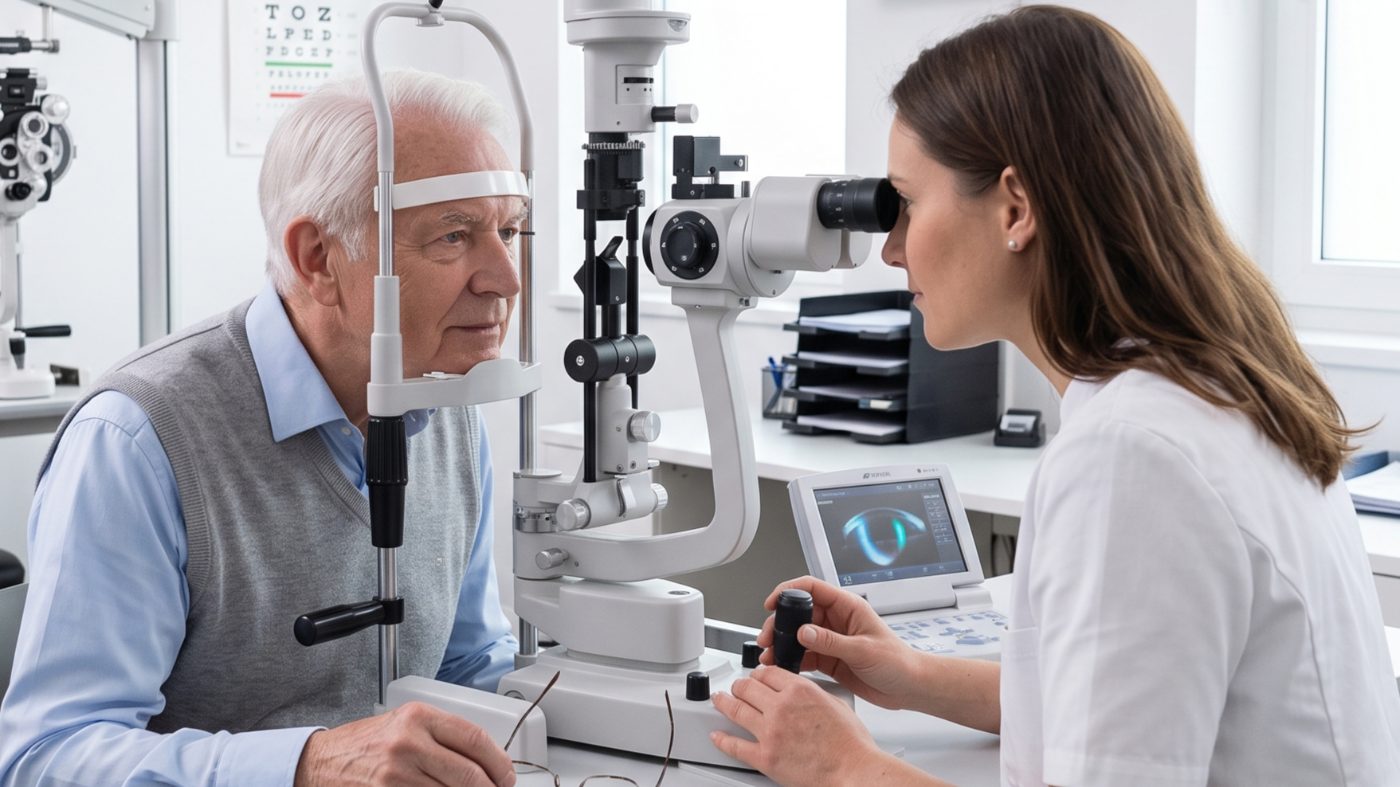
What exactly happens during a slit-lamp examination?
The slit lamp is the gold standard for diagnosing cataract. How the examination works, what the ophthalmologist sees and why it is painless.

Screen work with cataract: adjustments that really help
Cataracts make screens look paler and blurrier. These adjustments to contrast, lighting and font size make working at a computer noticeably easier.

Driving with cataract: when does it become dangerous?
Cataracts make night driving harder. How to recognise the warning signs, what Austrian law requires and when surgery restores your fitness to drive.