Cataract and diabetes: what diabetics should know before surgery
Diabetes mellitus markedly raises the risk of cataract (a clouding of the eye’s natural lens) and often causes it to develop earlier than in people without diabetes. Before cataract surgery, diabetics need a few extra considerations, particularly regarding blood sugar control and the state of the retina. The operation itself, however, proceeds essentially the same way as for other patients.
This article explains the link between diabetes and cataract, and the key points for preparing for surgery.
Why diabetes raises the risk of cataract
With diabetes, the risk of cataract is two to five times higher than in people without diabetes. Persistently raised blood sugar levels alter the metabolism of the lens and speed up the clouding of the lens proteins.
With poorly controlled diabetes, a particular form can even develop, the so-called snowflake cataract. Whitish, snowflake-like opacities form and progress faster than the usual age-related cataract. Good blood sugar control over the years clearly lowers this risk.
Before the operation: what matters in addition
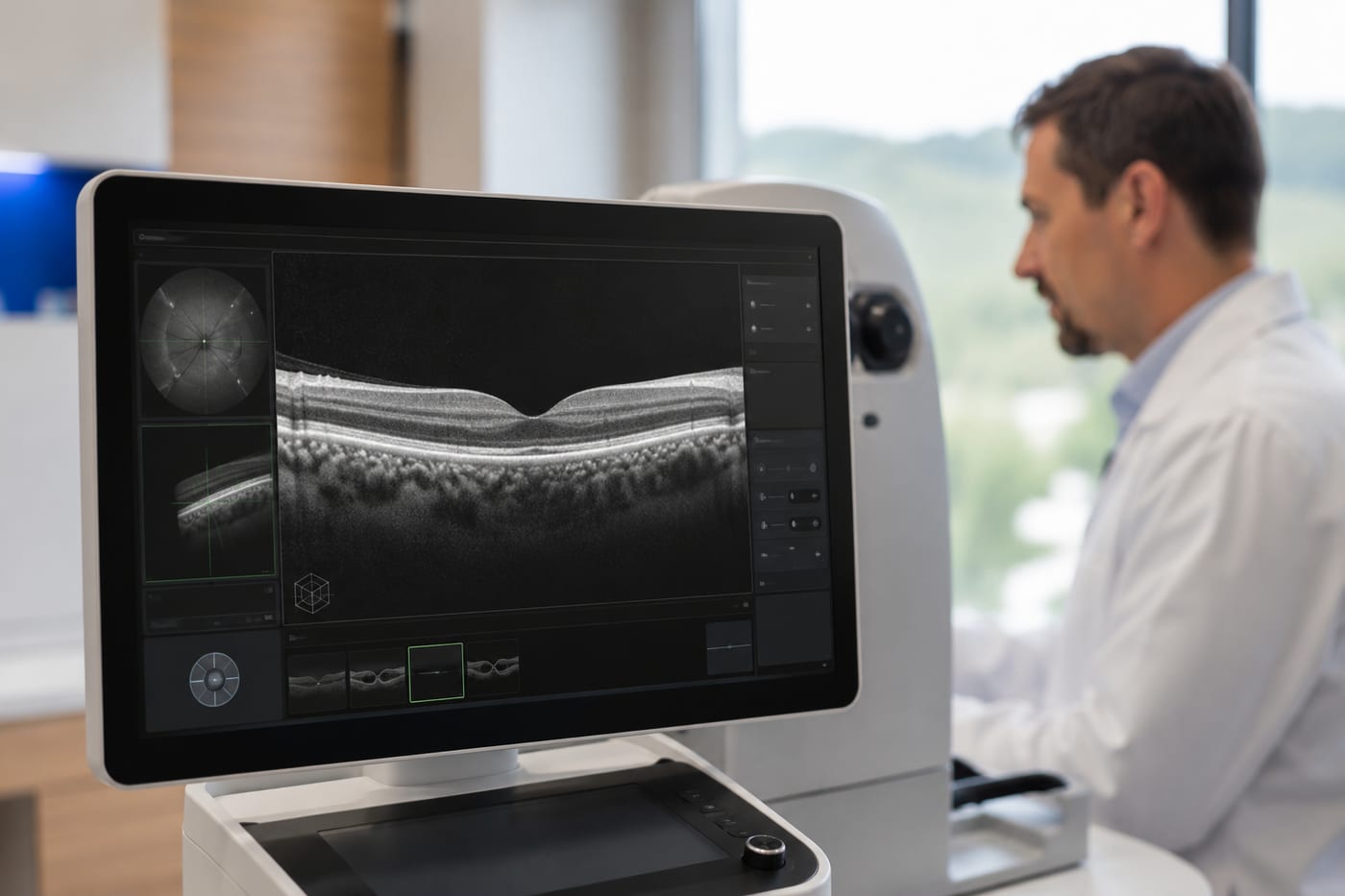
In diabetics, the ophthalmologist specifically checks the state of the retina before the operation. Diabetes can lead to changes in the retinal blood vessels, known as diabetic retinopathy. This should be as well treated as possible before cataract surgery is planned.
Current blood sugar control plays a role too. A blood sugar level that is as stable as possible in the weeks before the operation favours uncomplicated healing. Diabetes medication such as metformin is, as a rule, continued entirely as normal.
A raised risk of certain complications
Diabetics have a somewhat higher risk of so-called cystoid macular oedema after the operation, a temporary swelling in the central area of the retina. It shows itself as a renewed deterioration in vision a few weeks after the procedure and can usually be treated well with eye drops.
For this reason, diabetics often receive a somewhat longer schedule of anti-inflammatory eye drops after the operation. Follow-up appointments are also planned at closer intervals, so that changes are spotted early.
Which artificial lens suits diabetes?
Where retinal changes are present, ophthalmologists recommend certain special lenses, such as multifocal lenses, less often. These depend particularly on intact retinal function at the point of sharpest vision. A standard lens with a single fixed focus is often the more dependable choice when retinal changes already exist.
Which lens makes sense in an individual case depends on the retinal findings and on personal viewing habits. This is best clarified together with your ophthalmologist at the preliminary examination.
Regular eye checks, regardless of cataract
People with diabetes should attend regular ophthalmological check-ups regardless of any cataract. The back of the eye is examined for signs of diabetic retinopathy, long before it causes symptoms. Changes can then be detected and treated early.
These checks are worthwhile even if no cataract has been diagnosed yet. If cataract surgery becomes necessary later, up-to-date retinal findings are already on file, which makes planning easier.
Insulin and the day of surgery
If you have insulin-dependent diabetes, it pays to discuss the timing of your insulin dose on the day of surgery with the treatment team in advance. Since fasting (no food or drink) is not required with local anaesthesia by eye drops, your usual daily routine can mostly be kept up. If anything is unclear, a short call to the practice before the appointment helps.
How the operation proceeds with diabetes
The surgical procedure itself hardly differs for diabetics from the standard operation. The clouded lens is removed by phacoemulsification, where the surgeon uses ultrasound to break up the clouded lens, and replaced with a clear artificial lens. The procedure still takes only 10 to 20 minutes in most cases and is carried out as an outpatient.
What matters most is careful preparation: an ophthalmological assessment of the retina, consultation with the treating diabetologist where needed, and a realistic appraisal of the current metabolic situation.
Do not blame every symptom on the diabetes
People with diabetes often already know fluctuations in their eyesight caused by shifting blood sugar levels, which can briefly alter the refractive power of the lens. A creeping, permanent deterioration with increasing glare is a different matter and points more towards a developing cataract. If in doubt, an ophthalmological examination clarifies the actual cause.
Frequently asked questions
Does my blood sugar need to be in a specific range before surgery? A stable, well-controlled blood sugar level supports healing. Your ophthalmologist will discuss with you whether adjustments are worthwhile before the operation, often in consultation with your diabetologist.
Does diabetes raise the risk of complications during the operation? The overall risk remains low, but it is slightly raised with diabetes, particularly for macular oedema after surgery. Good preparation and aftercare lower this risk considerably.
Does diabetic retinopathy have to be treated before cataract surgery? Ideally yes, or at least stably controlled. Your ophthalmologist assesses the retinal findings before the operation and discusses the right order of treatments with you.
How often should diabetics attend check-ups after surgery? Usually somewhat more often than patients without diabetes, since the risk of macular oedema is slightly raised. Your ophthalmologist sets the exact intervals individually.
Do I need to adjust my insulin dose on the day of surgery? That depends on your individual therapy and the time of the procedure. It is best to discuss this in advance with your diabetologist and the operating practice.
Will cataract surgery make my diabetic retinopathy worse? The operation itself does not, as a rule, worsen existing retinopathy. What matters is that it is assessed by an ophthalmologist before the procedure and kept as stable as possible.
Next steps
You can find out more about how the operation unfolds under surgery procedure. Which risks need considering with cataract surgery in general is described under risks.