Cataract in professional drivers: what matters now

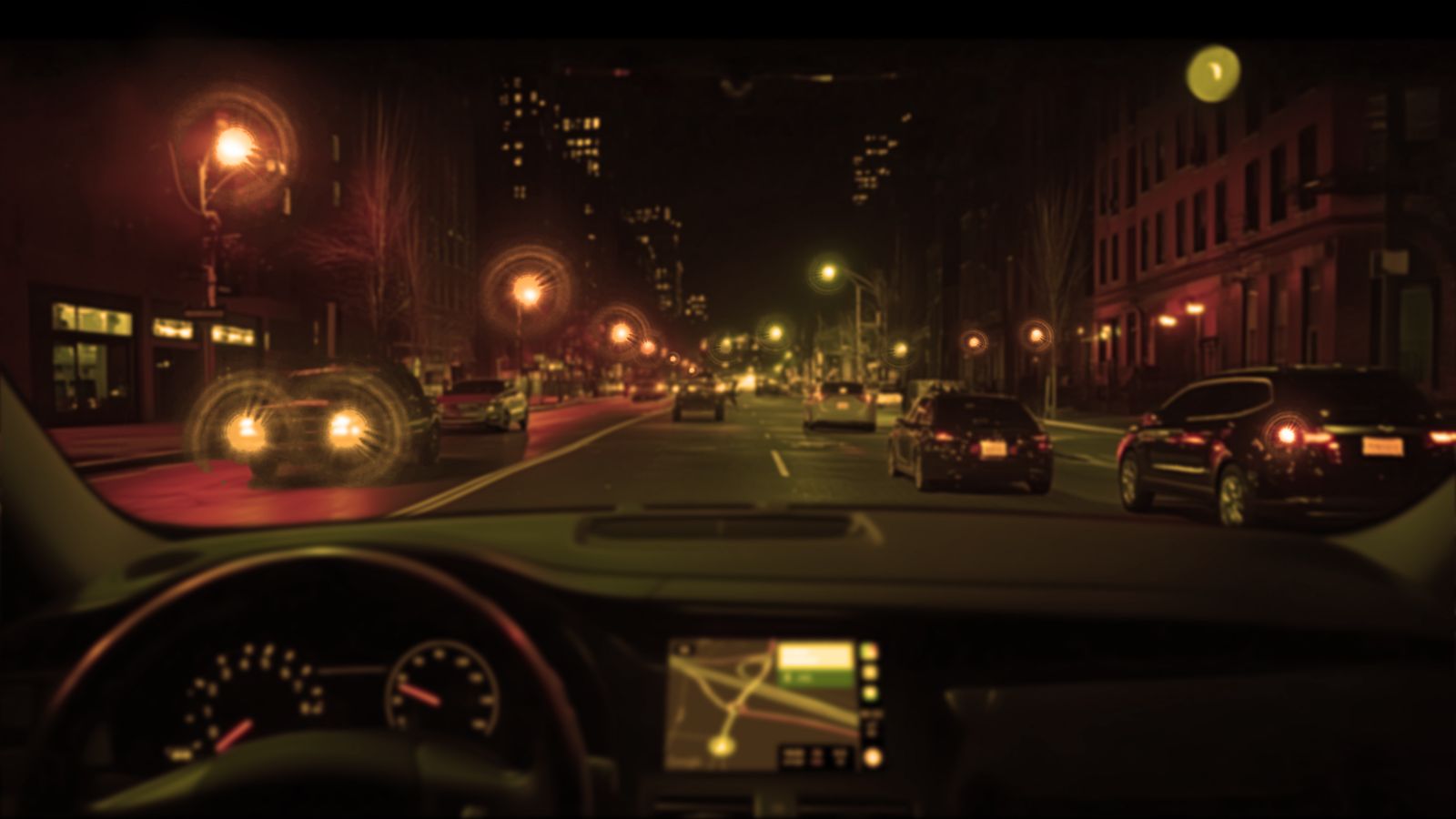
It is shortly after four in the morning on the motorway. Oncoming traffic dazzles, the road surface glistens with rain, and the distance sign only becomes readable late. Many professional drivers know moments like these. When they start piling up, cataract may be behind them: a slowly increasing clouding of the eye’s natural lens.
Anyone who drives for a living should have such changes checked earlier than people with lower visual demands. This article explains which rules apply, how to recognise the first signs and what counts when choosing the artificial lens.
The key points in brief:
- Stricter vision requirements apply to lorry and bus licences than to private cars. In Austria, this is governed by the driving licence health regulation (FSG-GV).
- Cataract often weakens contrast vision and glare tolerance earlier than plain visual acuity.
- A clouding of the lens caught early can be operated on in a planned way, without sudden absence from work.
- For night driving, a monofocal artificial lens with aspheric optics is usually the best fit.
Why do stricter vision requirements apply to professional drivers?
The legal basis in Austria
For the higher licence categories, such as bus or lorry, lawmakers prescribe stricter visual performance than for private cars. In Austria, this is governed by the driving licence health regulation (FSG-GV, the health ordinance under the Driving Licence Act) in its section on vision. It covers not only visual acuity but also the field of vision and seeing under difficult conditions.
The specific thresholds depend on your licence category. Binding information comes from the responsible authority or the official medical examiner. Anyone who has to attend regular official medical examinations knows these tests from experience anyway.
What the job additionally demands
Beyond the legal minimum values, a driver’s daily work makes demands of its own. Long distances, night driving, tunnel entrances and changing light conditions call for reliable contrast vision. A car driver who only covers short distances in daylight can often compensate for early clouding of the lens for years. A long-haul driver cannot.
Then there is the responsibility. Anyone moving a vehicle weighing many tonnes, or carrying passengers, must be able to react safely at dusk and in rain as well. It is precisely in these situations that cataract makes itself felt first.
Why the eye chart alone is not enough
With cataract, contrast vision and glare tolerance often suffer early on, before general visual acuity drops markedly. A test using the eye chart alone does not capture this fully. The chart shows black characters on a white background, in other words maximum contrast. The road at night offers no such contrast.
So tell your ophthalmologist specifically that you drive for a living. Glare sensitivity and contrast vision can then be tested separately, not just the row of letters on the wall.
Which early signs stand out in a driver’s daily work?
Typical warning signals behind the wheel
Those who drive professionally often notice the first symptoms earlier than other people. Watch for the following situations:
- Oncoming traffic dazzles noticeably more strongly and for longer at night than before.
- You recognise road signs or variable message signs only late.
- Rain or a wet road surface intensifies the glare further.
- You tire more quickly on long drives than you used to.
- New glasses no longer improve your vision to any real degree.
On longer motorway drives, many drivers first notice that distance signs only come into focus much later than one or two years ago. Creeping changes like these are easy to explain away in daily life. Tiredness, bad weather, a dirty windscreen: an explanation can always be found.
Why accident risk and eyesight are linked
Impaired vision is no side issue in road traffic. A systematic review of visual impairment and accident risk concludes that cataract surgery is associated with a lower accident risk. Put differently: treating the clouded lens does more than improve visual comfort, it has a measurable bearing on road safety.
For professional drivers this means: glare and loss of contrast are not trifles to sit out. They affect your own safety and that of everyone else on the road.
When an appointment becomes necessary
If several of the signs above apply to you, that justifies a prompt appointment with an ophthalmologist. Do not wait for the next routine check-up or the next official examination if your livelihood depends directly on your eyesight. A short examination brings clarity. Either there is a harmless explanation, or you gain valuable time for planning.
Which risk factors affect drivers in particular?
UV exposure behind the windscreen
Professional drivers often spend many hours a day behind the windscreen, frequently in bright daylight. This light exposure, accumulated over years, counts among the modifiable risk factors for developing cataract.
Sunglasses with good UV protection while driving can reduce this exposure noticeably. That applies especially with a low sun in spring and autumn, when glare through the windscreen is at its most intense. Keep the sunglasses within reach in the cab, so they actually get used when needed.
Smoking as an avoidable factor
Smoking also counts among the factors that demonstrably speed up the development of cataract. Anyone whose work already depends on reliable vision benefits twice over from giving it up. Precisely in a driver’s routine, where a cigarette often goes with long waiting times, this thought is worth entertaining.
What prevention can and cannot achieve
These measures do not prevent cataract entirely, since age remains the most important factor. UV protection and not smoking can, however, slow its progression. They usefully complement regular eye check-ups, but they do not replace them.
Worth knowing: driving itself does not cloud the lens. Many drivers wonder whether the long hours at the wheel “wear out” the eyes. That is not the case. The job merely makes existing symptoms noticeable earlier and, through sun exposure, adds one extra risk factor.
How do you plan check-ups and surgery around your working life?
Making targeted use of regular examinations
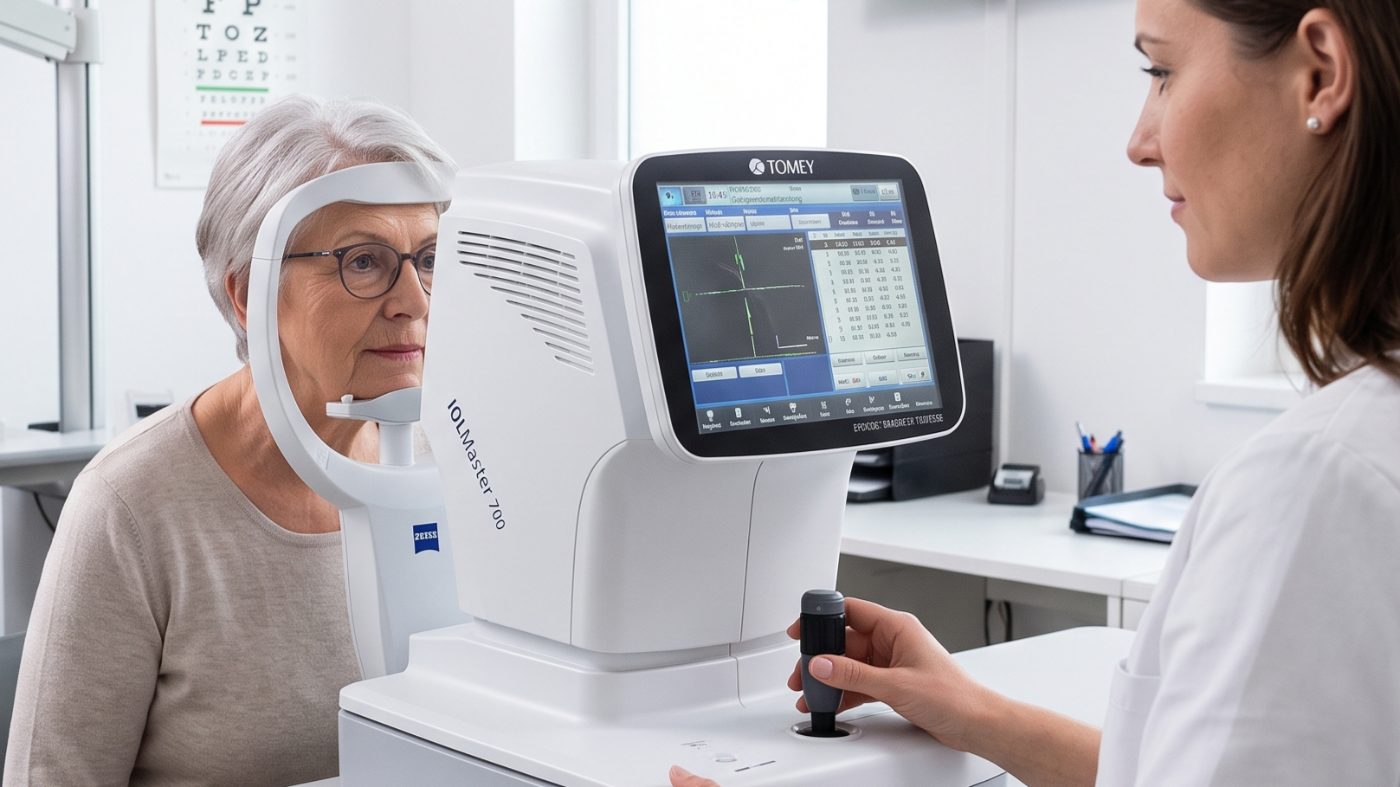
Many professional driving licences require regular ophthalmological or official medical examinations anyway. Use these appointments actively. Raise glare sensitivity and contrast vision yourself, instead of just reading off the eye chart. With the slit lamp, a special examination microscope, an ophthalmologist can detect early on whether a clouding of the lens is beginning.
Fitting the surgery date into your working routine
If a cataract is detected early, the operation can be planned well. That prevents your fitness to drive from being restricted suddenly and at short notice. Ideally, schedule the procedure for a quieter phase at work, for instance during holiday periods or in weeks with fewer night drives. The adjustment period after the operation then creates no extra scheduling pressure.
Bear in mind, too, that both eyes are usually affected and are operated on a few weeks apart. Planning both appointments from the outset avoids two separate periods of absence at awkward times.
Fit to drive again after the procedure
After a successful operation, most people regain markedly better visual acuity than before the procedure. Glare and contrast problems recede noticeably. Exactly when you may drive again is decided individually by your surgeon. For professional driving licences, a renewed eye test certificate or official medical confirmation may additionally be required. Clarify this in advance, so the return to work goes ahead without delay.
Many professional drivers report that after the operation they can once again make out road signs and lane markings at night much earlier than in the years before. Long night drives, too, often feel less tiring afterwards.
Which artificial lens suits professional drivers?
Monofocal lenses with aspheric optics
During the operation, the clouded lens is replaced with an artificial lens. For professional drivers, a monofocal lens with aspheric optics is usually the best fit. Monofocal means the lens has a single focal point, usually set for distance. The aspheric shape of the optics provides the best contrast and the lowest tendency to glare at night.
For near tasks, such as reading freight documents, you will generally need reading glasses afterwards. Most drivers find this compromise easy to live with, because distance vision at night takes priority.
Why multifocal lenses call for caution
Multifocal lenses with several focal points promise a life with less need for glasses. For professional drivers, they are nevertheless considered less suitable. In some patients they cause halos and rings of light around light sources. Effects like these are a greater risk during professional night driving than in private life.
The conversation at the preliminary examination
So discuss your professional driving openly at the preliminary examination. State specifically how often you drive at night and which licence categories you need. Only with this information can your surgeon match the lens choice to your requirements. A decision that suits an office worker well can be the wrong one for a long-haul driver.
Frequently asked questions
Do I have to report a cataract to my employer?
That depends on the rules of your country and employer. What is safety-relevant in any case: do not set out on a drive if your eyesight is no longer sufficient.
Which vision requirements apply in Austria for lorries and buses?
The thresholds are set out in the driving licence health regulation (FSG-GV) in its section on vision. Stricter requirements apply to the higher categories than to cars. Binding information for your case comes from the authority or the official medical examiner.
Which lens is best suited to night driving?
Usually an aspheric monofocal lens. It offers the best contrast and the lowest glare risk in darkness.
How soon after surgery can I drive professionally again?
Your surgeon decides this individually, often after a few days. For some driving licences, a renewed eye test is additionally required.
Does frequent driving make the cataract worse?
No, driving itself does not influence the clouding of the lens. It merely makes existing symptoms such as glare noticeable earlier in daily life.
Do sunglasses at work help prevent cataract?
Good UV protection can slow the progression, but it does not prevent the condition entirely. Regular eye check-ups therefore remain important, even with consistent sun protection.
Does the operation actually lower the accident risk?
A systematic review of visual impairment and accident risk links cataract surgery with a lower accident risk in road traffic. The operation improves contrast vision and glare tolerance above all, both central abilities when driving.
Next steps
How cataract affects driving in general is covered in our article on symptoms and early detection. You will find an overview of suitable lens types under intraocular lenses.