What is a cataract?
A cataract is a clouding of the eye's natural lens. Vision deteriorates gradually, often over years, before it really becomes noticeable. The good news: a cataract is fully treatable. Around 150,000 cataract operations are carried out in Austria each year, with a success rate of over 95 per cent.
What happens in your eye?
Behind the pupil sits the eye's lens, a transparent structure roughly the size of a lentil. Its single task is to focus light sharply onto the retina. It works like the optics of a camera and needs absolute clarity to do its job.
In a cataract, the protein molecules in the lens clump together. Picture how egg white turns milky and opaque when heated: the same process, only in slow motion over years. The lens loses its transparency, light is scattered instead of focused, and the result is blurred vision with marked sensitivity to glare.
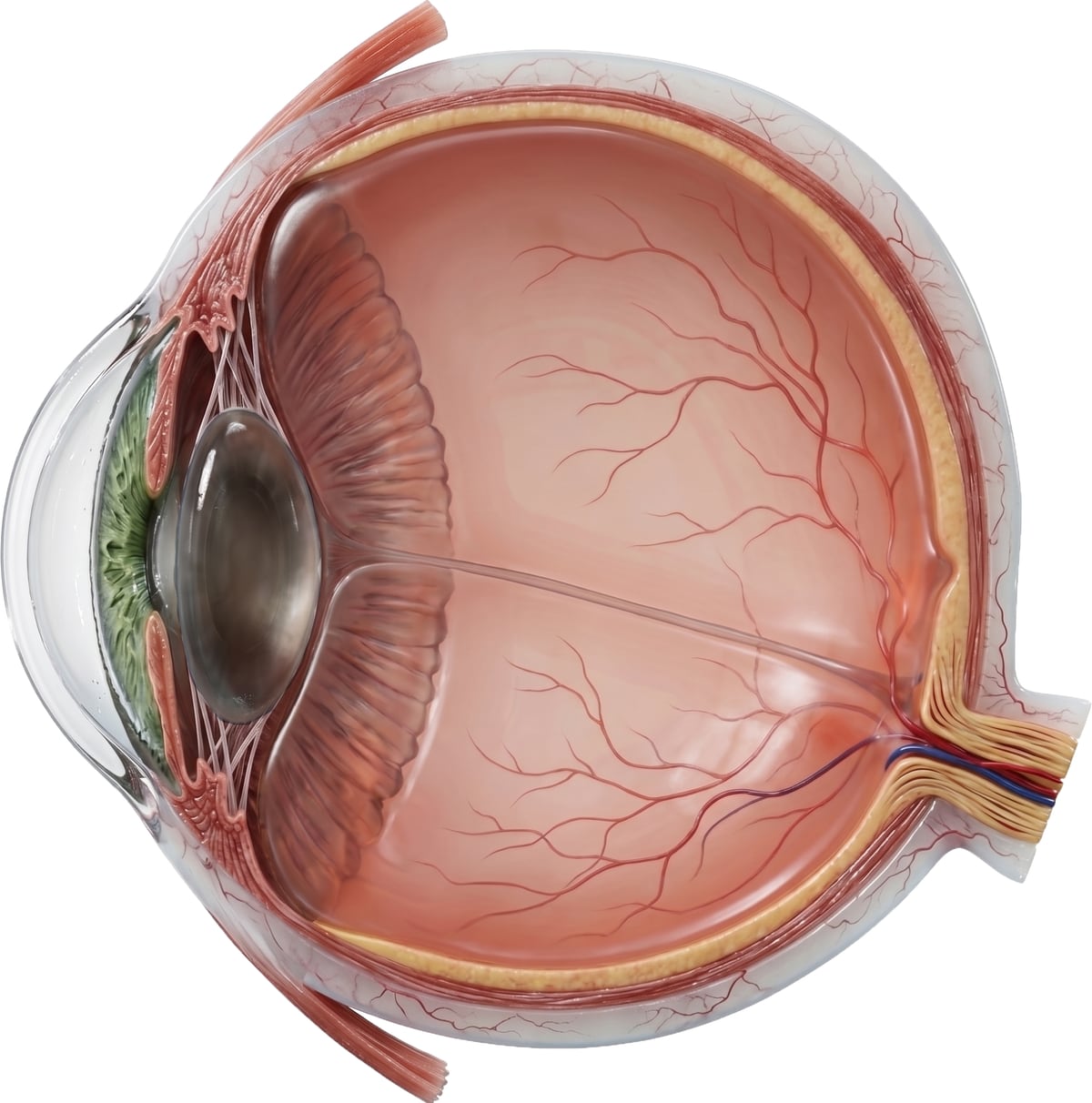
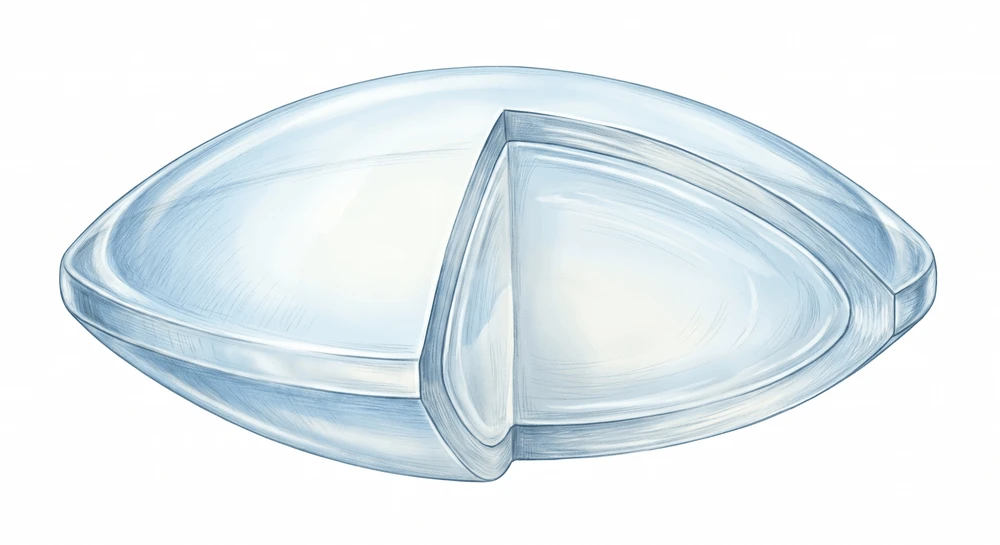
Clear and transparent. Light is focused sharply onto the retina and the image is crisp.
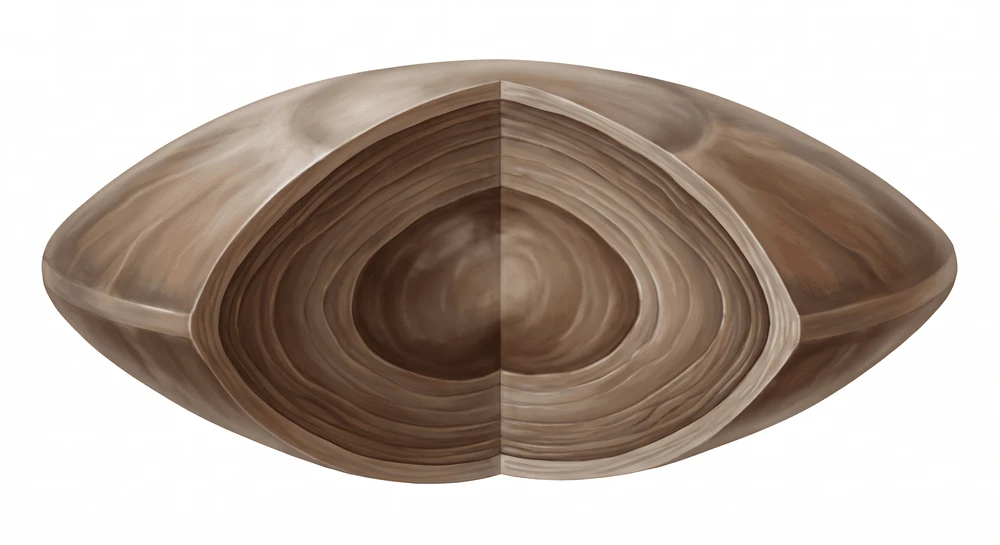
Protein deposits scatter the light. The image becomes blurred, pale and sensitive to glare.
How do people with a cataract see?
Move the slider: cataract vision on the left, normal vision on the right.
Do you have these signs?
A cataract develops gradually. Tick what applies to you and you will receive an assessment straight away.
Some of these complaints can point to an early cataract. A routine examination by an ophthalmologist is advisable.
Find a specialist near you →Several typical signs of a cataract. Arrange an examination with a specialist.
Find a specialist near you →Clear indications of an advanced cataract. A prompt appointment with a specialist is important.
Find a specialist near you →Which forms are there?
Age-related cataract (cataracta senilis)
Accounting for over 95 per cent of all cases, this is the most common form. From the age of 50 it becomes steadily more frequent: around one in two people aged 70 to 80 is affected, and more than seven in ten of those over 80.
Depending on where the clouding sits, three subtypes are distinguished. A nuclear cataract affects the core of the lens and, alongside blurring, often gives vision a yellowish tint. A cortical cataract shows spoke-like opacities in the outer layer of the lens. A posterior subcapsular cataract sits directly behind the core and causes reading difficulties and strong glare particularly early on.
What promotes a cataract?
Age is the main factor, but not the only one. Some risks can actually be influenced.
- ●Age from 60 onwards, the risk rises markedly after that
- ●Genetic predisposition, clustering in families is well documented
- ●Sex, women are affected slightly more often because of their longer life expectancy
- ●UV radiation, sunglasses with UV-400 protection shield the lens in the long term
- ●Smoking doubles to triples the risk, and quitting lowers it again
- ●Diabetes, good blood-sugar control also lowers the cataract risk
- ●Long-term cortisone therapy, discuss with your treating doctor whether alternatives are possible
Do I need surgery straight away?
No. There is no fixed threshold at which an operation becomes compulsory. What matters is whether the cataract restricts your daily life: driving, reading, watching television, recognising faces. As long as these still work well, many patients can simply monitor the situation with regular check-ups.
What does not work: pinning your hopes on drops or medicines. There is no remedy that reverses or halts a clouding of the lens. The only effective treatment is surgery.
A very mature cataract is technically harder to operate on and can raise the pressure inside the eye. Restricted vision also increases the risk of falls. A known cataract should therefore be checked regularly.
Only an eye examination can settle the question. Find a specialist near you who will examine your eyes and advise you.
Find a specialist near you