UV protection for the eyes: how sunlight influences cataract
UV radiation is one of the few modifiable risk factors for cataract (a clouding of the eye’s natural lens). Over decades, the exposure adds up and speeds up the clouding of the lens. Good UV protection in everyday life can counteract this process.
This article explains the link between sunlight and cataract and shows what effective eye protection looks like in daily life.
Why UV radiation affects the lens
The lens of the eye is exposed to UV radiation throughout life. Unlike the skin, it cannot protect itself by tanning. Over the years, the accumulated UV exposure contributes to the clouding of the lens proteins, the very process that eventually leads to cataract.
The effect is cumulative. That means every additional hour of unprotected sun exposure over a lifetime counts. People who spend a lot of time outdoors, through work or hobbies, are more strongly affected.
Who is particularly exposed
Some situations increase the UV load on the eyes further:
- Time spent at high altitude, for instance in the mountains, where UV radiation is stronger.
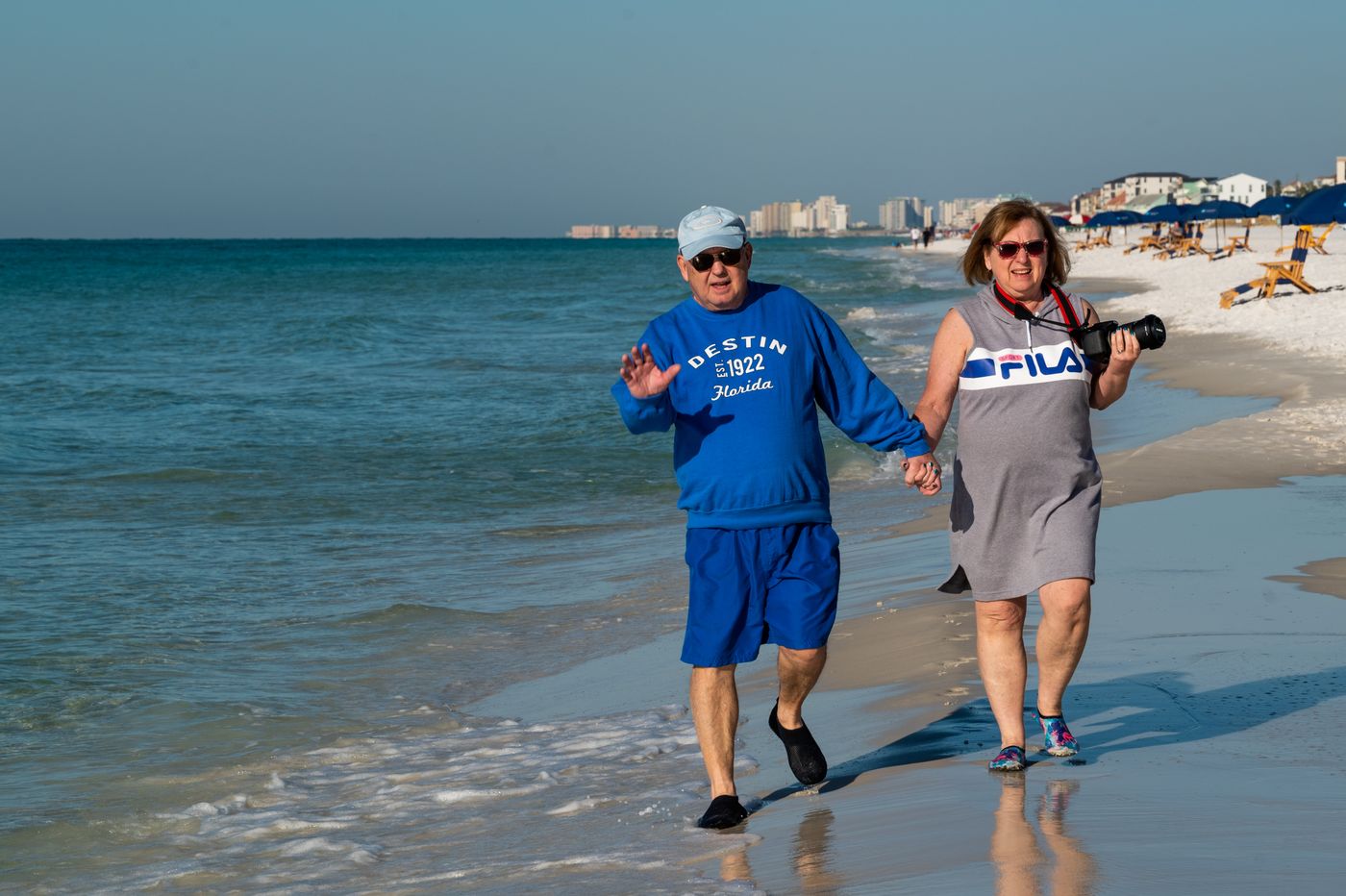
- Reflection from snow, water or bright sandy surfaces, which intensifies the radiation.
- Occupations with a lot of time outdoors, for example in farming or construction.
- Regular stays in sunny regions with high UV intensity.
Effective UV protection in everyday life
Good sunglasses are the most important protection for the eyes. Make sure they offer full UV protection, not just a dark tint. Heavily tinted glasses without a UV filter can even be worse, because the pupil widens in the darkness behind the lens and lets in more unfiltered radiation.
A wide-brimmed hat or a cap also helps to reduce light coming in from the side. In particularly intense sunlight, for instance on snow or by the water, glasses with side protection are worthwhile.
When to think of UV protection in daily life
Even on cloudy days, a large share of UV radiation passes through the cloud cover. Anyone who regularly spends longer periods outdoors should therefore reach for sunglasses regardless of the weather. This applies especially to activities such as hiking, cycling or gardening.
Children and teenagers benefit from good UV protection too, since the exposure adds up over an entire lifetime. Starting early lowers the long-term risk most effectively.
How to recognise good UV protection
High-quality sunglasses usually carry a CE mark and a note on their filter protection against UV radiation. The term UV400 indicates that almost all relevant UV radiation is filtered out. You will usually find these details on a small sticker on the lens or in the product description.
Price alone says little about the protective effect; inexpensive models with the right markings also offer sufficient protection. If in doubt, an optician can measure the UV protection of a pair of glasses directly.
UV protection during sport and on holiday
During outdoor sport, such as hiking, cycling or skiing, the UV load is often particularly high. Well-fitting sports sunglasses with UV protection should be a fixed part of your kit, just as on trips to sunny countries. On the water too, for instance when sailing or fishing, reflection off the surface increases the exposure further.
Combining a wide-brimmed hat with UV-filtering sunglasses achieves the most effective protection. This combination pays off especially during longer periods outdoors, whatever the season.
Other modifiable risk factors
Beyond UV protection, other factors can lower the risk of cataract. Smoking raises the risk two- to three-fold and is among the strongest modifiable factors. Good control of diabetes and a healthy body weight also have a favourable effect.
These measures do not prevent cataract entirely, since non-modifiable factors such as age also play a part. They can, however, slow its development and push it back.
A simple building block alongside eye check-ups
UV protection does not replace regular eye examinations, but it complements them well. If you attend check-ups anyway, use the opportunity to raise any open questions about sun protection. That way the protection can be tailored to your own circumstances, for instance if work or hobbies keep you outdoors a lot.
Frequently asked questions
Can UV protection prevent cataract completely? No, age remains the most important risk factor and cannot be influenced. Good UV protection can, however, slow the development.
Are dark-tinted glasses without a UV filter enough? No, a dark tint alone does not protect sufficiently. What matters is certified UV protection, recognisable by the corresponding marking.
Should I wear sunglasses on cloudy days too? Yes, UV radiation penetrates even dense clouds to a large extent. For longer periods outdoors, the protection is worthwhile regardless of the weather.
Does UV protection still help once cataract has been diagnosed? It may slow further progression, but it cannot reverse the existing clouding. Only surgery removes the lens once it has clouded over.
How do I know whether my sunglasses protect adequately? Look for a CE mark and the UV400 label on the lens or in the product description. If in doubt, an optician can check the UV protection of your glasses directly.
Next steps
You can read more about the causes and risk factors of cataract under What is cataract?. If you notice first signs in yourself, our page Do I have cataract? helps you make sense of them.