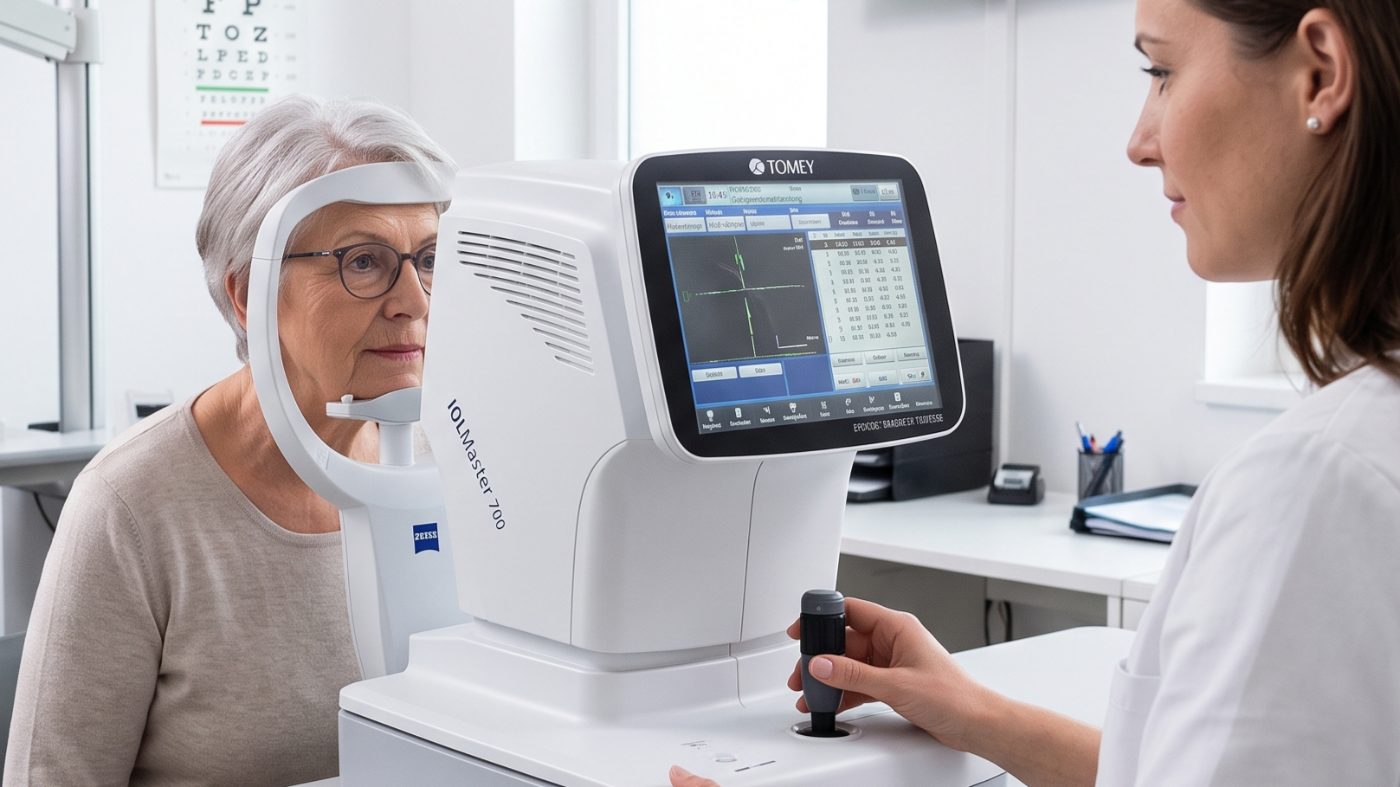
Day 1 after cataract surgery: what is normal and what is not
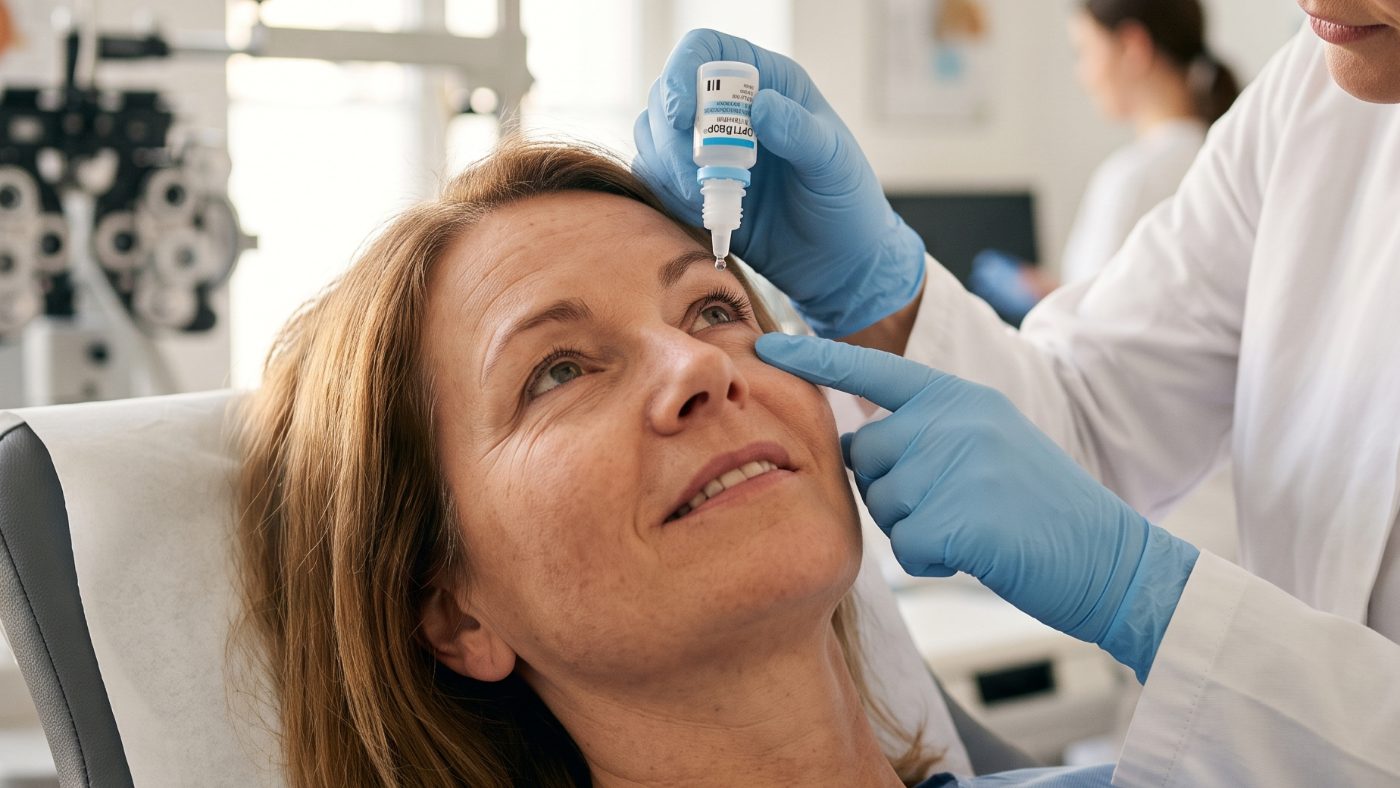
On the first day after cataract surgery, blurred vision is normal. Mild irritation, watering eyes and a slight foreign-body sensation are part of it too. These symptoms usually improve markedly within 24 to 48 hours. Severe pain or a sudden loss of vision, on the other hand, is not part of a normal recovery.
This article puts into perspective what to expect on the first day. It also shows when you genuinely need to act.
What is entirely normal on the first day
Directly after the operation, you will not yet see sharply with the operated eye. This is due to slight tissue swelling and to the eye drops. It is not usually a problem with the new lens. The following symptoms are common in the first hours up to the next morning.
- Blurred or slightly hazy vision.
- A mild foreign-body sensation, as if an eyelash were in the eye.
- Watering eyes and mild redness of the conjunctiva.
- Temporary sensitivity to light, especially in bright daylight.
- A slight itch. Even so, do not rub the eye.
Many of these symptoms subside noticeably by the second day. Most patients notice a clear improvement within the first one to two days.
Some patients report that printed text still looks as if seen through misted glass on the first day. The image often clears briefly, though, with a deliberate blink.
The protective shield and the first night
Directly after the procedure you are usually given a protective shield or a light dressing. It protects the operated eye from accidental rubbing during sleep. The next morning you remove the shield yourself, following your practice’s instructions. Sometimes this only happens at the first follow-up appointment.
If possible, do not sleep on the operated side. That way you avoid pressure on the eye. A slight feeling of tightness when opening the eye in the morning after removing the shield is normal.
The eye-drop schedule starts immediately
You usually begin the first drops on the day of surgery itself. A combination of three active substances is common. An antibiotic protects against infection, a corticosteroid preparation works against inflammation. An additional anti-inflammatory drop lowers the risk of swelling at the centre of the retina. Stick exactly to the prescribed order and frequency.
Do not stop any preparation on your own initiative, even if the eye already feels fine. The prescribed duration ensures that wound healing proceeds undisturbed.
These signs are not part of a normal recovery
Most recoveries are uncomplicated. Some warning signs nevertheless call for prompt assessment rather than waiting for the next check-up.
- Severe pain that goes well beyond a slight pulling sensation.
- A sudden, marked worsening of vision instead of gradual improvement.
- Strong redness or increasing swelling of the eyelid.
- Flashes of light or a shadow like “soot rain” drifting across your field of vision.
- Nausea combined with a strong feeling of pressure in the eye.
If you notice these signs, contact your practice or clinic the same day. Do not wait for the scheduled check-up. Such courses are rare, but that is precisely why they matter to catch early.
How the second night and the following days differ
The first day is usually the most uncomfortable, yet the days that follow already bring noticeable progress. Many patients report that their vision feels clearer from day to day.
In the first week, sensitivity to light often remains somewhat raised, but it recedes steadily. Mild redness of the conjunctiva and occasional watering are still normal in this phase and no cause for concern.
Certain activities should still be avoided in this first week. These include swimming pools and saunas, as well as eye make-up. The operated eye needs time to close the wound completely, even though it usually seals itself.
Final visual sharpness generally only settles after four to six weeks. Until then, vision can still shift slightly, which is why new glasses are only fitted after this stabilisation phase.
Frequently asked questions
How blurred may my vision still be on the first day? A clearly blurred image is normal, as long as it tends to improve from hour to hour. Fully sharp vision often only develops after several days to a few weeks.
May I watch television or read on the first day after surgery? Yes, that is harmless and does not damage the eye. If it feels tiring, simply take breaks.
Is mild stinging from the eye drops normal? A brief, mild stinging after instilling the drops does occur and is usually harmless. If the stinging persists, mention it at the next check-up.
When does the first follow-up take place? Usually the day after the operation. Your ophthalmologist checks whether healing is proceeding normally and whether the drop schedule needs adjusting.
When may I swim or go to the sauna again? Resume both only after about four to six weeks. Water and heat could irritate the fresh wound during this period.
When can I return to light office work? For light tasks, one to two days are often enough. For physically demanding work, a longer break of about two to four weeks applies.
Next steps
How the healing process continues in the following days and weeks is described in our article on aftercare. You will find an overview of possible, mostly rare complications under risks.