Is gardening still safe with a cataract?
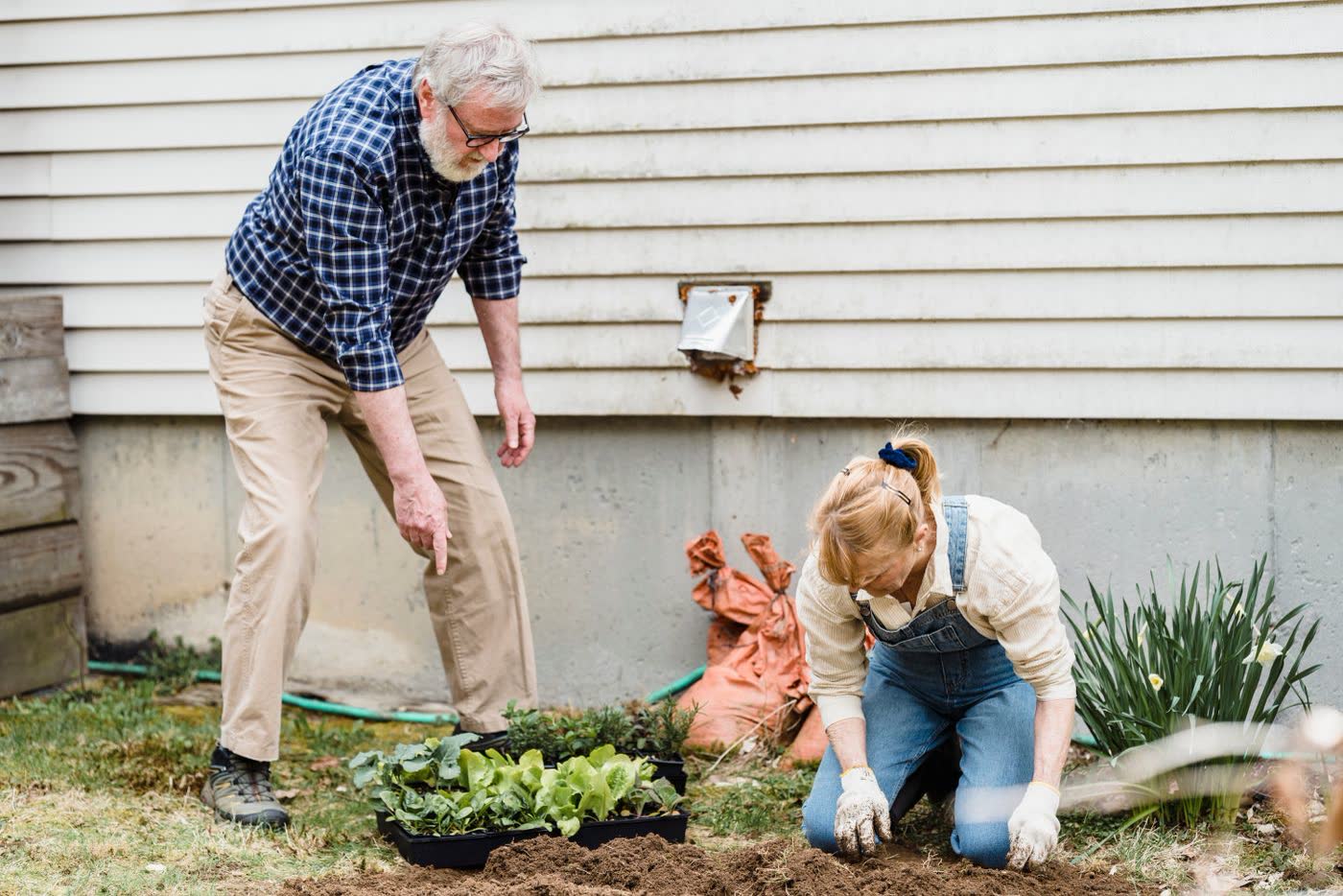
Yes, in most cases gardening remains perfectly safe with a cataract (clouding of the eye’s natural lens). Two typical symptoms do make it more tiring, though: similar shades of green blur into each other through the loss of contrast, and direct sunlight causes more glare than it used to. Both can be balanced out with simple adjustments, without giving up your hobby.
Why the garden puts particular demands on your eyesight
In the garden, many similar colour tones overlap. The outlines of beds, steps or roots become harder to make out, because this very weakness in contrast is one of the early symptoms of cataract. Then there is sensitivity to glare: anyone who already reacts strongly to bright light will notice it especially clearly when working in full sun.
The time of day plays a big part here. Glare is strongest at midday. In the morning and late afternoon, the light is softer and outlines stay easier to recognise. Many people affected even find overcast days more pleasant, because colours appear calmer then. Such days are well suited to tasks that call for a close look.
What you can do in practical terms
- Sunglasses with good UV protection and a light tint noticeably reduce glare, and a wide-brimmed hat shields light from the side.
- Tools with bright, high-contrast handles are easier to find again.
- Mark paths and steps clearly, for instance with edging stones in a different colour, and make sure there is good lighting at dusk.
- For motorised equipment such as hedge trimmers or brushcutters: if your contrast vision is clearly reduced, have a second person keep watch or hand the task over.
- Share tasks: one person cuts, the other sweeps up. That lowers the risk and is often more enjoyable too.
If the work becomes increasingly difficult despite these adjustments, for example because beds are barely recognisable any more, an eye examination makes sense. Whether your symptoms point to cataract at all is something you can assess in advance on our page Do I have cataract?.
What applies after cataract surgery
After the procedure, the eye needs a few weeks of rest. Strenuous garden work such as digging or lifting heavy flower pots should pause for about two to four weeks. Light tasks, such as weeding while seated, are usually allowed again earlier. Your eye doctor will give you a personal assessment at the follow-up appointment.
Do not rub your eyes in the first few days, even if dust or pollen tempt you to. Outside, light sunglasses give extra protection against foreign bodies. And the good news to finish: many patients report that shades of green and outlines look much clearer again after surgery, and that glare eases noticeably. You can read more about the recovery period under aftercare.