Cataract and glaucoma at the same time: what matters now
Cataract (clouding of the eye’s natural lens) and glaucoma both mainly affect older people and can be present in the same eye at the same time. They arise, however, in entirely different parts of the eye and require separate examinations. If both occur together, your eye doctor carefully coordinates the treatment. This article explains the differences, the course of surgery with a double diagnosis and the special features of aftercare.
The key points in brief:
- Cataract affects the lens, glaucoma damages the optic nerve. Both can be present in the same eye.
- Cataract surgery can usually be performed well without adversely affecting the eye pressure.
- Glaucoma therapy continues unchanged after the operation, because the artificial lens treats only the cataract.
- Corticosteroid drops after surgery can raise the eye pressure, so it is monitored closely.
Two conditions, two entirely different causes
Cataract: the clouded lens
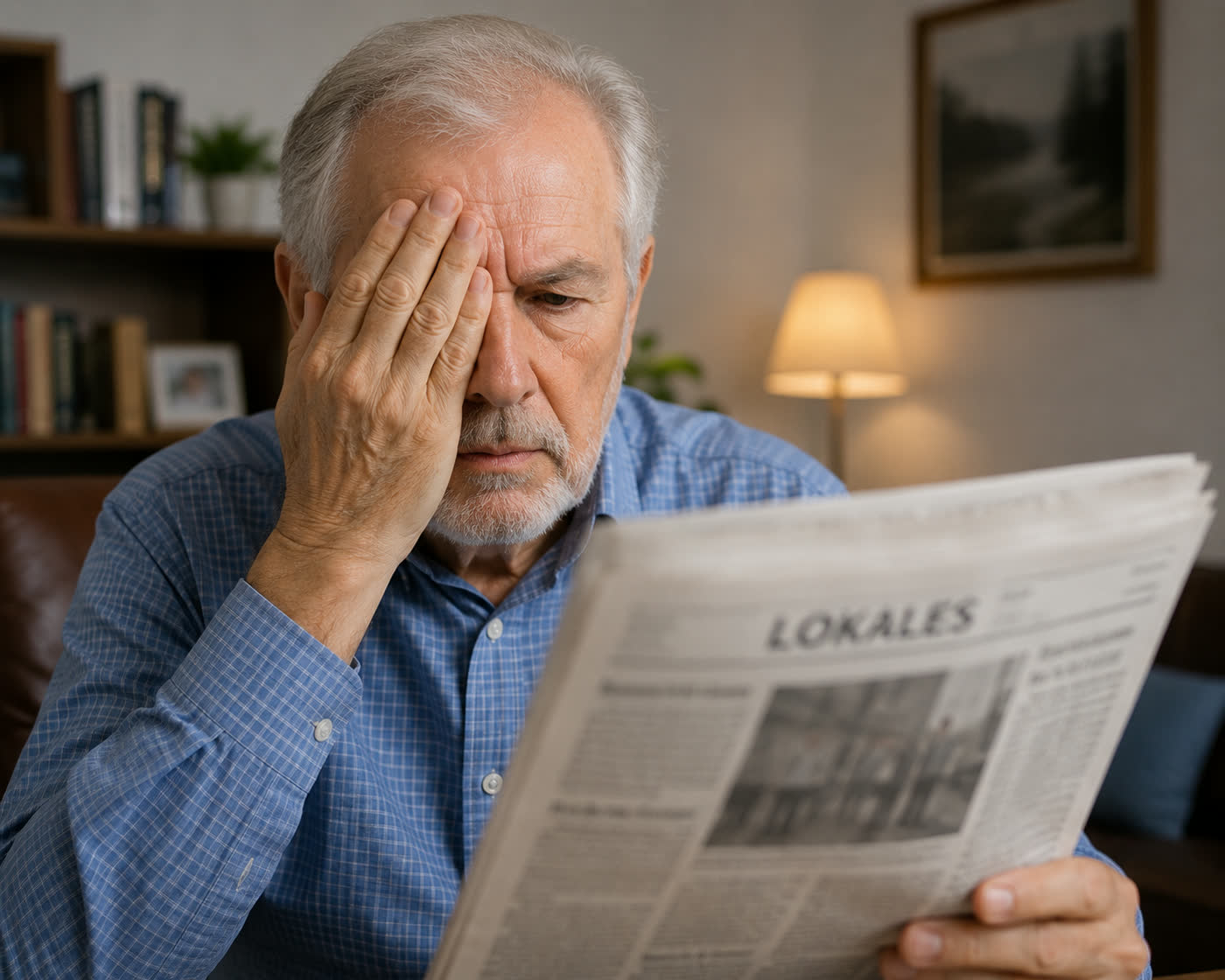
In cataract, the eye’s lens slowly clouds over and lets less light through to the retina. The process often stretches over years. Typical consequences are blurred vision and increasing glare, for instance when driving at dusk. Cataract causes no pain.
The good news: this condition is fully treatable through surgery. The procedure replaces the clouded lens with a clear artificial one. The share of the visual deterioration caused by the lens clouding usually improves considerably afterwards.
Glaucoma: the damaged optic nerve
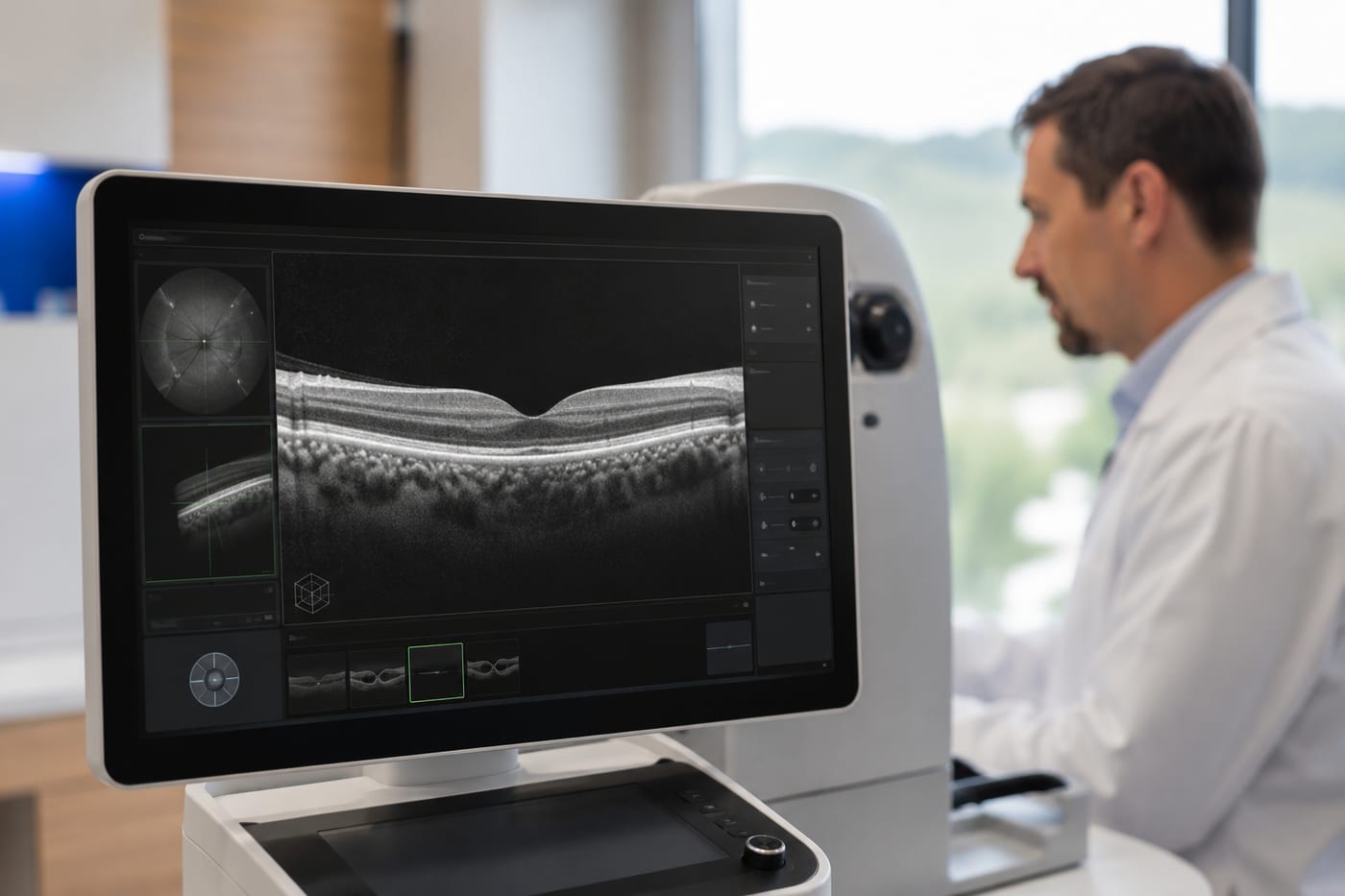
Glaucoma works quite differently. It damages the optic nerve, usually through raised eye pressure (intraocular pressure). The insidious part: the loss of visual field advances gradually and goes unnoticed for a long time. There is usually no pain, except during an acute attack.
Glaucoma is treated with drops, laser or an operation that lowers the pressure permanently. One important difference from cataract: damage already done to the optic nerve remains. Therapy can halt the progression, but it cannot bring back what has been lost. That is why regular check-ups over many years are necessary.
The differences at a glance
| Feature | Cataract | Glaucoma |
|---|---|---|
| Affected structure | Lens of the eye | Optic nerve |
| Course | Slow clouding, often over years | Gradual loss of visual field |
| Typical symptom | Blurred vision, glare | Usually unnoticed for a long time |
| Pain | None | Usually none, except in an acute attack |
| Treatment | Surgery replaces the lens completely | Drops, laser or surgery lower the pressure permanently |
| Curability | Fully treatable through surgery | Existing damage remains, progression can be halted |
| Examination | Slit lamp | Eye pressure measurement, visual field test, optic nerve assessment |
| Check-up interval | Usually once before and after surgery | Regularly, often over many years |
Why do the two conditions often occur together?
That both diagnoses are made together surprises many people at first. Three reasons lie behind it, and they are easy to follow.
Age as the common denominator
Both conditions become more frequent with rising age. So it is no coincidence when one person receives both diagnoses. The conditions are not causally linked, they simply tend to affect the same age group.
The cataract work-up often uncovers glaucoma
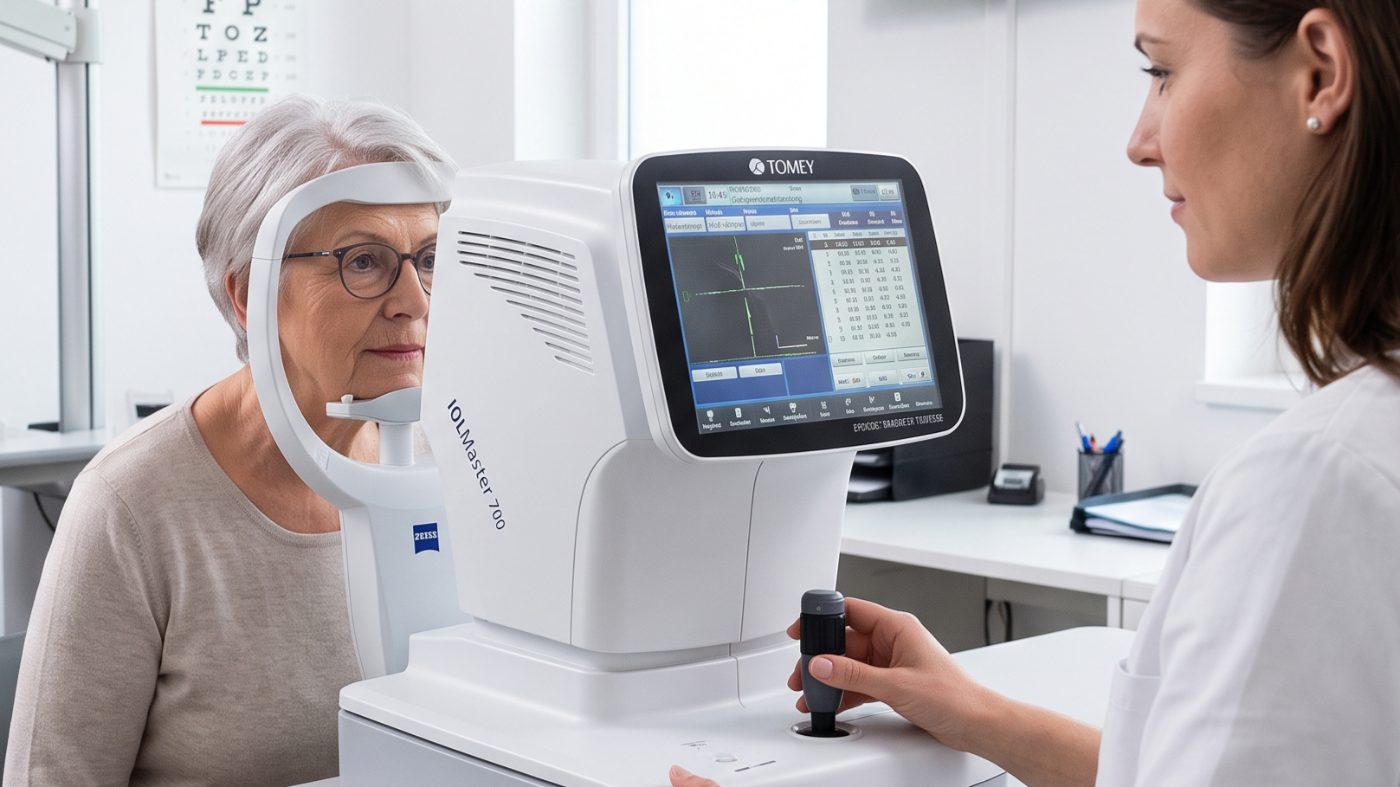
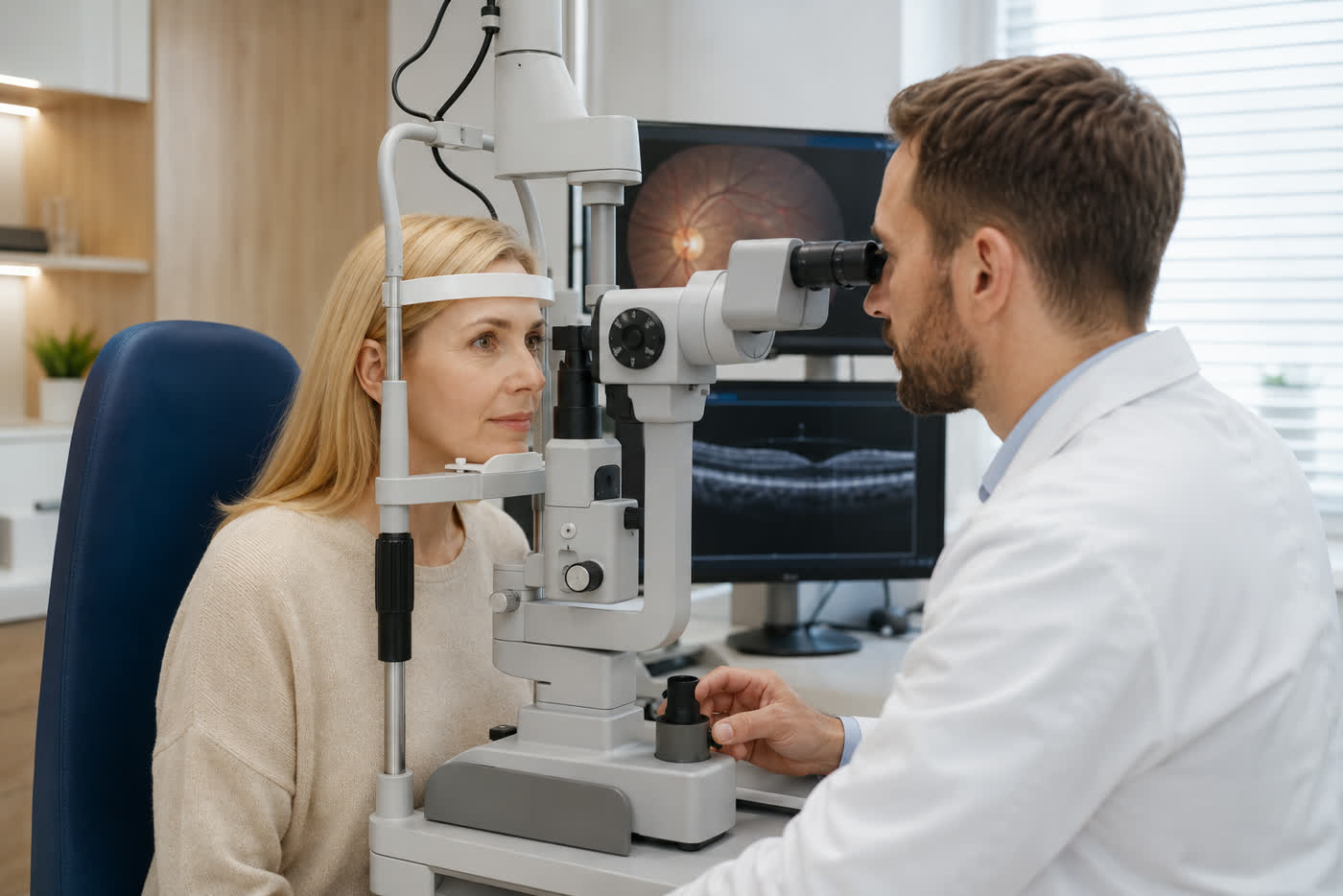
For people who go for regular eye check-ups, an additional glaucoma often comes to light during the preliminary examination for cataract. Tonometry, the measurement of eye pressure, is part of the standard work-up before every cataract operation. Assessment of the optic nerve at the slit lamp also belongs to this examination step.
An example from practice: a patient with glaucoma known for years notices increasing glare when driving. At the next check-up, the slit lamp reveals marked clouding of the lens. Under the existing therapy, the eye pressure remains stable within the target range. In this case the eye doctor discusses cataract surgery without changing the ongoing glaucoma treatment.
Medication as a possible contributing factor
Some glaucoma medications also affect the lens and can encourage the development of a cataract. So with known glaucoma, particularly attentive monitoring of the lens is worthwhile. Raise changes such as new sensitivity to glare or blurred vision actively at your check-up appointment, rather than waiting for the next routine examination.
What does the double diagnosis mean for surgery?
Coordinating the two treatments
If glaucoma is present in addition to the cataract, your eye doctor discusses the right approach with you. Cataract surgery can often be performed well without adversely affecting the eye pressure. What matters is that the surgeon knows the complete history: all glaucoma drops, previous procedures and the current pressure readings.
So bring your complete medication list to the preliminary examination, including all eye drops. Do not stop your glaucoma drops on your own before the operation. Whether and how the schedule is adjusted around the day of surgery is a decision your eye doctor makes individually.
Combined procedures in one session
In some cases, surgeons combine both procedures in a single session, for instance when an additional pressure-lowering measure makes sense. Whether that is an option for you depends on the findings: the level of the eye pressure, the state of the optic nerve and how well the current therapy is working. Your surgeon explains the possibilities in the informed-consent consultation.
Glaucoma therapy continues
One point causes misunderstandings again and again: the new artificial lens treats only the cataract. The optic nerve damage from glaucoma remains regardless of it and still needs its own monitoring. Glaucoma therapy therefore continues consistently even after successful cataract surgery. Never stop your pressure-lowering drops without consultation, even if your vision has become much better after the operation.
Aftercare: why the eye pressure gets special attention
Corticosteroid drops and their effect on the pressure
After every cataract operation, corticosteroid eye drops are used for several weeks. They help contain the normal inflammatory reaction after the procedure. In some people, however, corticosteroids can additionally raise the eye pressure. For patients with known glaucoma this is an important point, because their optic nerve reacts more sensitively to pressure spikes.
Close monitoring in the first weeks
Your eye doctor therefore monitors the eye pressure with particular care during the aftercare period. If needed, the drop schedule is adjusted to keep the pressure safely within the target range. This close monitoring mainly concerns the first weeks after surgery, while the corticosteroid drops are still in use.
What does this mean for you in practice? Attend every scheduled check-up, even if you are free of symptoms. Raised pressure usually causes no noticeable symptoms. Only the measurement at the clinic shows whether everything is within the target range.
What you can contribute yourself
During the aftercare period, two drop schedules run in parallel: the aftercare drops from the cataract operation and your usual glaucoma drops. It is best to write out a clear daily plan showing which bottle is due when. At the discharge consultation, ask specifically whether and how you should continue your pressure-lowering drops. And get in touch between appointments if your vision suddenly deteriorates or new symptoms appear. In this way you make a real contribution to a safe healing phase.
Realistic expectations of the surgical result
The most delicate point with a double diagnosis probably concerns expectations of the result. A closer look pays off here.
What the operation improves
Visual deterioration caused by cataract usually improves markedly after surgery. Contrasts appear clearer again and glare eases. Exactly this share of the visual disturbance, the part caused by the clouded lens, can be corrected by the procedure.
What remains
An optic nerve damaged by glaucoma, by contrast, does not recover on its own. Visual field defects that have already occurred remain even after cataract surgery. That is why it is important to separate the two causes cleanly before the operation.
Some patients expect a completely sharp picture after cataract surgery, even though glaucoma has already damaged areas of the visual field. An open conversation before the operation prevents this disappointment. Feel free to ask your eye doctor directly: which share of my visual disturbance comes from the lens, and which from the optic nerve? That way you know in advance what the procedure can realistically improve.
Frequently asked questions
Can cataract surgery make glaucoma worse?
As a rule, no. With good preparation and coordination with the existing glaucoma therapy, the operation usually proceeds without any negative effect on the eye pressure.
Does cataract surgery also improve visual acuity in glaucoma?
It improves only the share of the visual disturbance caused by the clouded lens. Visual field defects already caused by the optic nerve damage remain.
Do I have to stop my glaucoma eye drops before cataract surgery?
As a rule, no; your eye doctor decides this individually. Be sure to share your complete medication list as early as the preliminary examination.
Can glaucoma be discovered during the cataract work-up?
Yes, that happens often. Measuring the eye pressure and assessing the optic nerve are part of the standard examination before every cataract operation.
How often should I go for check-ups with both conditions?
Your eye doctor sets this according to the findings, usually more often than with just one condition. Both conditions need their own regular monitoring.
Can corticosteroids after cataract surgery raise the eye pressure further in glaucoma patients?
Yes, that is possible, since corticosteroid drops increase the pressure in some people. That is why the eye pressure is monitored especially closely during aftercare when glaucoma is known.
More on the examination steps before surgery is on our page about the preliminary examination. Which signs generally point to cataract is covered under Do I have cataract?.